A steady, clear starting point for homeowners who like to plan ahead
For homeowners with a home around 1,500 square feet whose air conditioner has started acting up, the instinct is rarely to rush out and buy something new. Most families in Castle Rock, CO want to understand costs before something breaks completely, especially when summer heat can shift from mild to intense in a hurry.
This question usually comes up quietly: a repair here, a warm room there, or an AC unit that seems louder and less reliable than it used to be. Replacing a system is not about impulse. It is about protecting comfort, budgeting responsibly, and avoiding emergency decisions later. This guide walks through what replacement typically costs, what influences the price, and how to tell whether replacement is truly the right move for your home.
How Much Does a New AC Unit Cost for a 1,500 Sq Ft Home?
For a typical 1,500-square-foot home in Castle Rock, the average cost to replace an air conditioning system usually falls between $5,500 and $8,500, depending on several important factors. Most homes this size need a system in the 2.5- to 3-ton range, but correct sizing depends on insulation, window exposure, duct condition, and elevation adjustments required at over 6,000 feet.
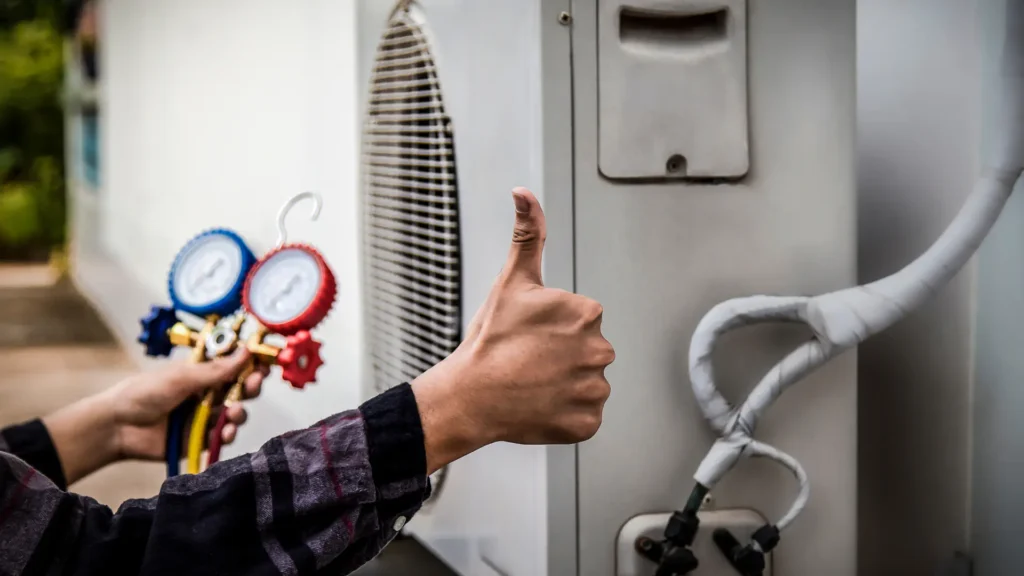
This price range generally includes removal of the old unit, a new outdoor condenser, indoor coil, refrigerant, standard labor, and system startup. Higher costs often reflect better efficiency ratings (SEER2), quieter operation, or electrical and ductwork updates needed to support modern equipment.
Homeowners often find that dependable value comes from experienced upgrades delivered through AC replacement Castle Rock CO homeowners rely on for long-term reliability, rather than choosing the lowest upfront price. A properly matched and professionally installed system tends to last longer, cool more evenly, and reduce monthly energy strain, especially important in Castle Rock’s dry, high-altitude climate.
A Local Insight That Often Gets Missed
Many replacement estimates fall short because they ignore altitude. At Castle Rock’s elevation, air density directly affects system performance. Equipment that is not calibrated correctly may short-cycle, struggle on hotter days, or wear out ahead of schedule. That is why homeowners planning carefully often lean toward thoughtful options shaped by AC installation Castle Rock CO residents recommend when comfort consistency matters, not shortcuts designed for sea-level homes.
Is It Cheaper to Repair or Replace an AC Unit?
As a general rule, replacement starts making more financial sense when repair costs exceed 30 to 40 percent of replacement cost, the system is over 12 to 15 years old, breakdowns are becoming more frequent, or efficiency no longer meets modern standards.
In these situations, families often prefer balanced solutions informed by air conditioning installation Castle Rock CO homeowners trust for dependable performance, rather than continuing a costly cycle of repairs that adds up over time.
How Many Years Should a Home AC Unit Last?
Most residential AC systems last 15 to 20 years with proper maintenance. In Castle Rock, lifespan can be shortened if systems were not sized or calibrated correctly from the start. Planning ahead helps homeowners avoid rushed decisions and explore steady upgrade paths through AC replacement Castle Rock options residents feel confident budgeting for before a breakdown forces the issue.
What Are the Signs Your HVAC System Needs Replacing?
Common signs include uneven cooling, rising energy bills, loud operation, frequent repairs, and difficulty keeping up on warmer days. These are signals, not emergencies, but they are worth paying attention to before they become urgent.
Ready to Replace Your AC in Castle Rock? Here Is How to Get Started
Quietly weighing whether replacement makes sense this year or next is a smart place to be. Alpha Air Heating and Cooling is here as a knowledgeable resource for Castle Rock homeowners at this stage. A straightforward evaluation from Alpha Air Heating and Cooling can help you understand costs, timelines, and options so you can plan with confidence and avoid last-minute stress when temperatures rise.