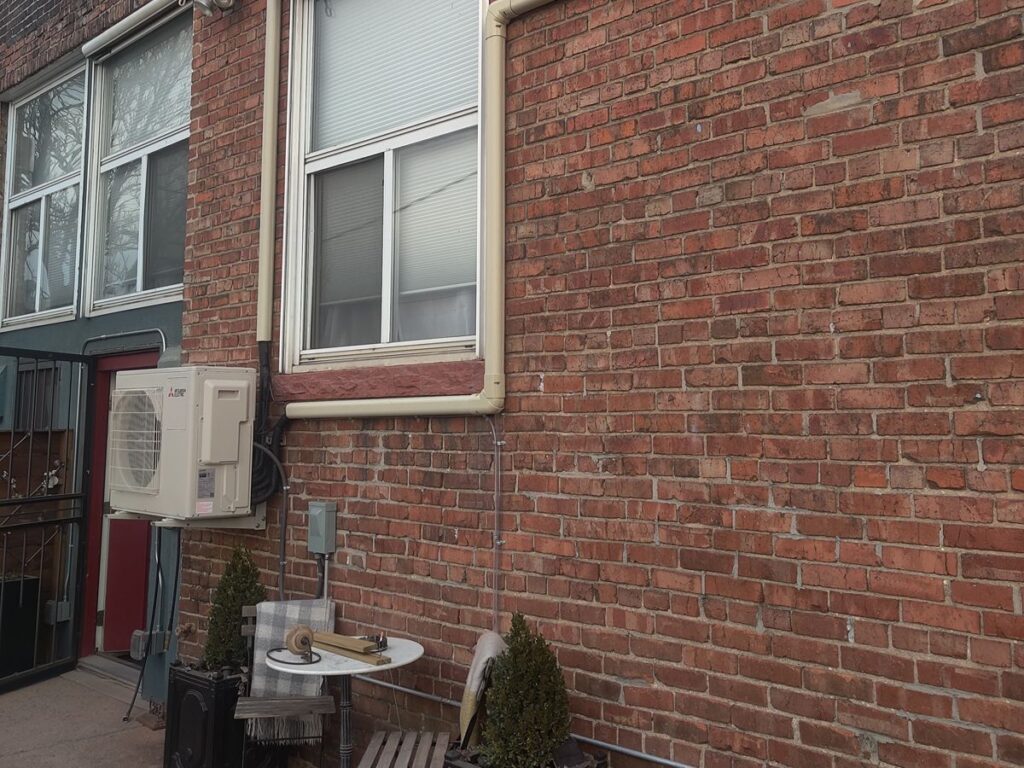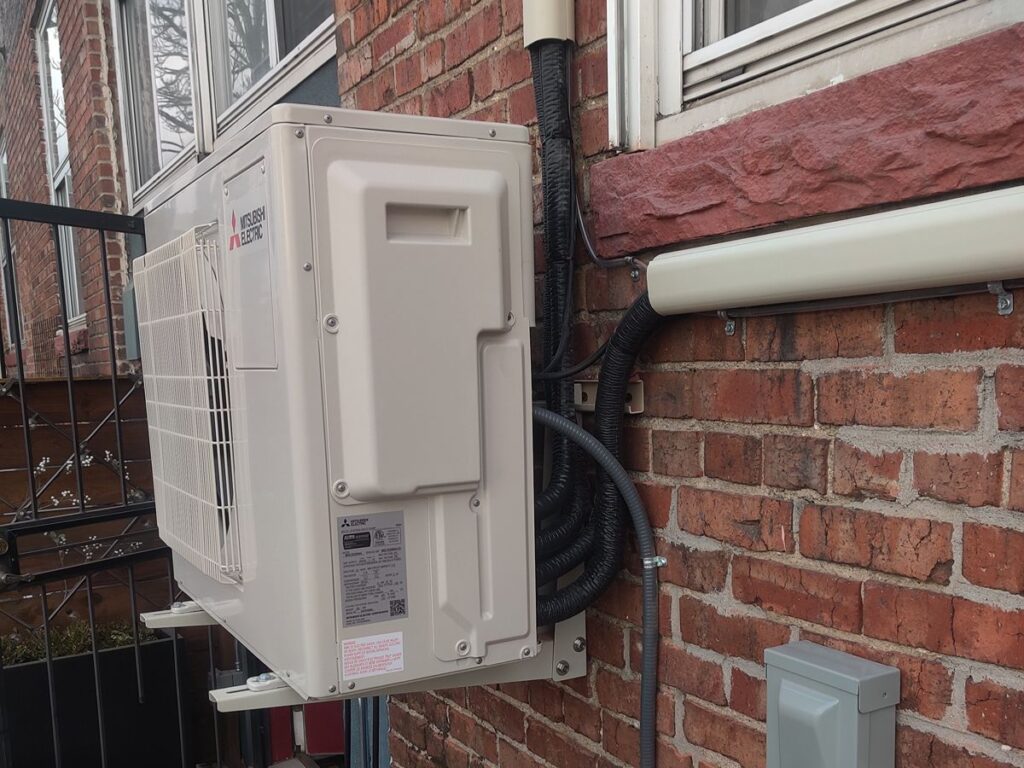
In most Castle Rock homes, cold rooms come down to how air moves through the house, not a broken furnace. Warm air rises, upper floors and far corners get shorted on airflow, and the room farthest from the furnace loses the fight almost every heating cycle. A short winter walk-through of your vents, returns, and dampers usually points straight at the cause.
Uneven heating is one of the most common complaints homeowners have about a forced-air system, and it usually traces to one of two things. Either the warm air is not reaching a room in the first place, or it is reaching it and then leaving faster than the room can hold it.
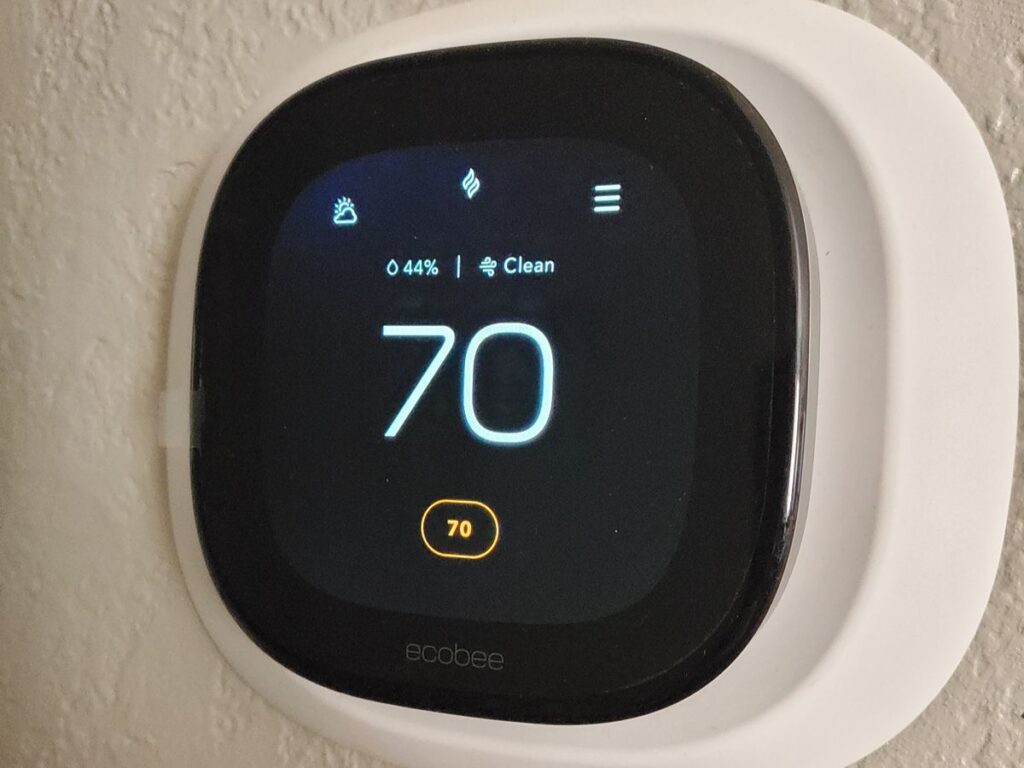
If one thermostat runs the whole house, it ties both problems together. It sits in one spot, usually a main floor hallway, and shuts the system off when the air around it feels right. Every other room is on its own after that, so a back bedroom, a room over the garage, or a finished basement can still be well short of comfortable when the furnace stops. Bigger homes are often zoned instead, with a thermostat per floor or a second system entirely, which helps a lot. It still will not rescue a duct run that was undersized or leaky from the start.
The basement is worth singling out here. Castle Rock’s hilly ground puts a walkout or daylight basement under a lot of homes, which means finished living space sitting partly below grade. Those walls lose heat to the soil all winter, most of it near the top where the foundation meets the frame, so a basement office is a common cold room. That does not mean every house here has the problem, but when it shows up, a below-grade room is a likely place to find it.
Why is upstairs colder than downstairs?
Upstairs usually goes cold for two reasons at once. Warm air does rise, but on the top floor it keeps going, slipping out through attic gaps and leaky ceilings, and that escape pulls colder air in at the lower levels. At the same time, the ductwork feeding the second floor is the longest run in the house, so it loses heat and pressure on the way up, and second floors often have too few return vents, which means air struggles to circulate back to the furnace and keep moving.
That is also why one bedroom can be cold while the rest of the upstairs is fine. A closed-door room over the garage, or one at the end of a long hallway, depends almost entirely on its own duct run. If that run is long, leaky, or undersized, rising warm air never makes up the difference.
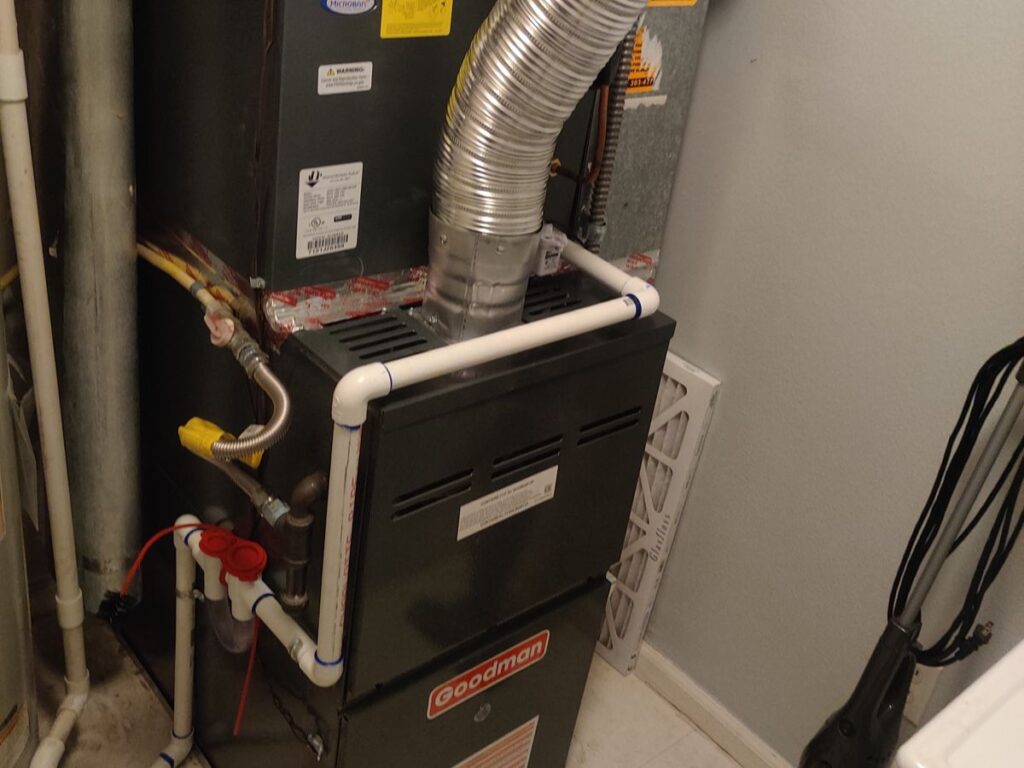
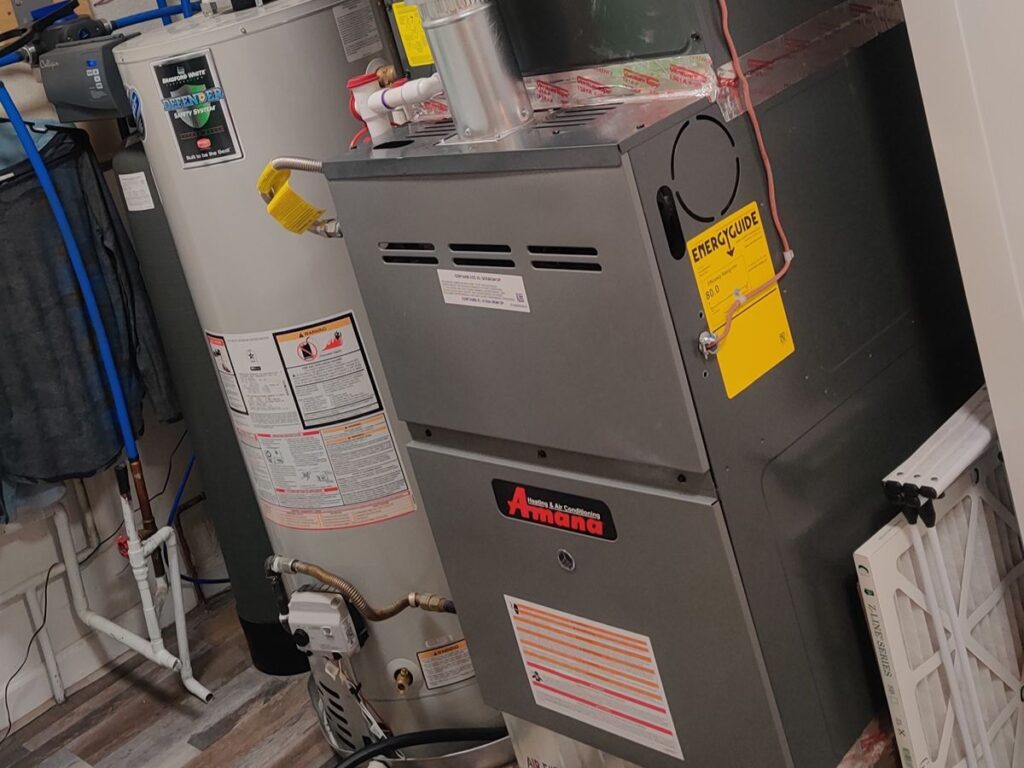
If you want the underlying furnace side of this checked, our furnace maintenance in Castle Rock visits include measuring airflow and balance, not just confirming the burner lights.
Does closing vents help heat the rest of the house?
No. Closing vents in warm rooms to push more heat to cold ones does not work the way it seems like it should, and it can slowly damage your furnace. When you close supply registers, you raise the static pressure inside the ductwork, which strains the blower motor and can cause the heat exchanger to run hotter than it should. You end up with a stressed system and rooms that are still uneven.
The airflow does not have anywhere good to go. It backs up, leaks out of duct seams, and often makes the imbalance worse rather than better. A cracked heat exchanger is a genuine safety concern with a gas furnace, so this is not a trick worth trying.
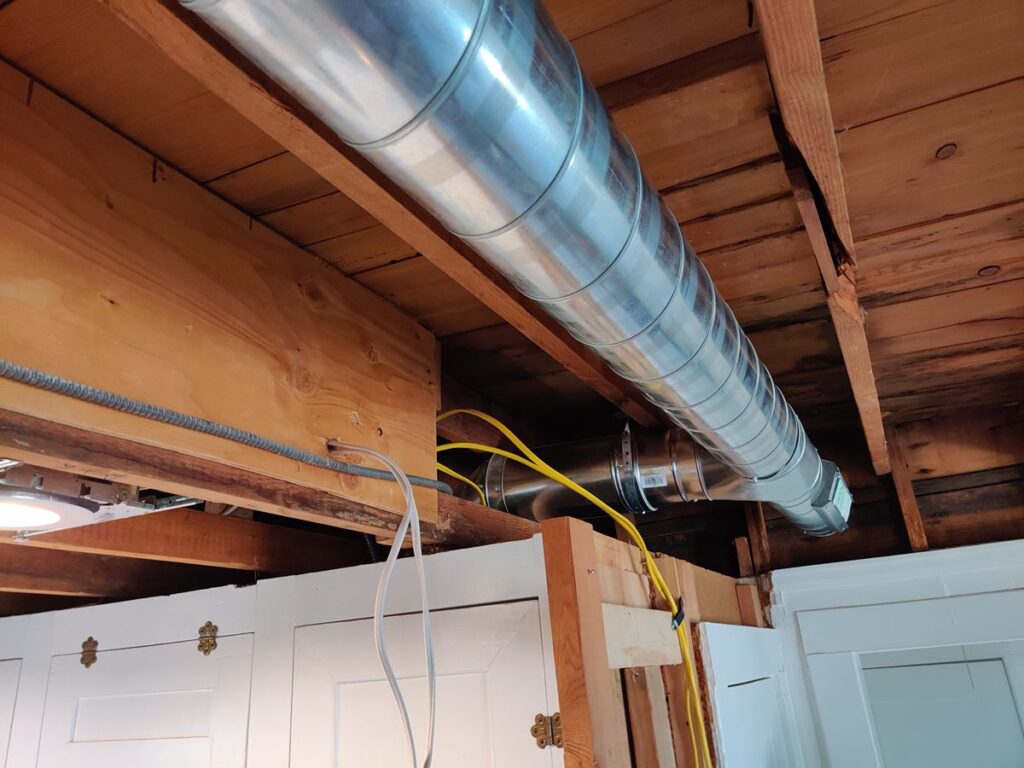
If you want to redirect airflow the right way, the adjustment happens inside the ducts, not at the register faces. Balancing dampers in the duct trunk can be set to send more air toward the cold end of the house without choking the system. Ductwork that is undersized, leaky, or missing dampers is a fixable problem.
How to fix uneven heating in the house?
Start with the free, low-effort checks, then move to the ones that need a technician. In many Castle Rock homes the fix is airflow and balance, not new equipment. Here is a practical order to work through:
- Make sure every supply and return vent is open and not blocked by furniture, rugs, or curtains.
- Replace a dirty air filter, since a clogged filter chokes airflow to the whole house.
- Try running the thermostat fan on “on” instead of “auto” so air keeps circulating between floors. Air from the vents will feel cooler between heating cycles, which is normal on that setting.
- Have balancing dampers set inside the ductwork to steer more air toward the cold rooms.
- Seal and, where needed, repair or resize duct runs that lose heat before it reaches the far end of the house.
- Check attic and rim-joist insulation, since heat lost through a poorly sealed envelope pulls warmth away from upstairs and basement rooms first.
Most uneven-heating jobs are solved with airflow corrections rather than a full system swap.
Is my furnace the problem if only some rooms are cold?
Usually not. If some rooms heat fine and others stay cold, the furnace is generally making heat correctly and the trouble is in how that heat gets distributed. A furnace that is truly failing tends to leave the whole house cold, short-cycle, blow lukewarm air everywhere, or make unusual noises. Uneven room temperatures point more toward ducts, returns, dampers, insulation, and thermostat placement.
There is one equipment-side possibility worth a mention: a furnace that is undersized for the square footage it serves can struggle to keep the far rooms warm, though that is a separate topic from balancing an adequately sized system. Replacing the furnace should not be the default assumption here. It is one thing a technician rules in or out, not the first move.
A proper diagnostic checks the furnace’s operation and the airflow together so you are not paying to swap a unit that was never the real issue. If the equipment does turn out to be worn out or undersized, that is when a furnace replacement enters the conversation, with sizing and permits part of the job.
Living with a cold back bedroom or a chilly basement office through a Castle Rock winter is frustrating, especially in a two-story or walkout home where one furnace has a lot of ground to cover. We can come out, measure the airflow and balance across every level, and tell you plainly whether the fix is a damper adjustment, a duct repair, or something more. To set up a free estimate or diagnostic visit for furnace repair in Castle Rock, CO, reach Alpha Air Heating & Cooling at (720) 284-9566 and we will get your whole house feeling even again.