A dual-fuel hybrid system pairs an electric heat pump with a gas furnace in the same home, and a smart control switches between them based on the outdoor temperature. The heat pump handles heating on its own in milder weather, then the gas furnace takes over when it gets cold enough that gas becomes the cheaper or more comfortable way to heat. In Castle Rock, where typical winter days run from highs in the mid-40s to lows in the high teens to around 20, that split matters because a heat pump works most efficiently in milder weather and loses output as it gets colder.
Winters here bring a long heating season, but not every winter day is bitterly cold. Cold snaps can still push the thermometer below zero.
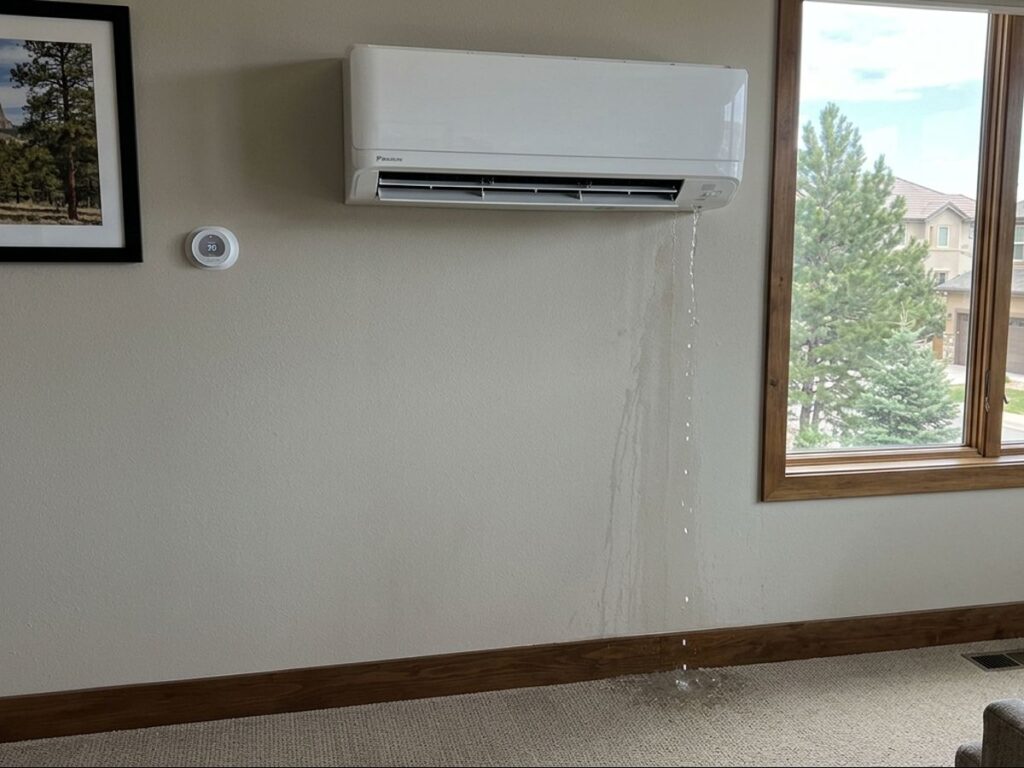
Adding a heat pump installation to a home with a furnace gives you one unit that does both jobs: it cools your home in summer like a normal AC, and it runs in reverse in winter to pull heat from outside air and move it indoors. The gas furnace stays in the system as the backup heat source. The thermostat watches the outdoor temperature and picks whichever one makes sense at that moment, so you never have to flip a switch yourself.
Castle Rock’s semi-arid climate at roughly 6,200 feet mixes mild winter afternoons with real cold snaps, which is the swing a dual-fuel system is designed around. Our coldest stretches are real, with record lows more than 30 degrees below zero and single-digit or colder lows showing up in a typical winter.
Is a dual-fuel HVAC system worth it?
For a lot of Castle Rock homes, yes, and the reason comes down to how our two utilities price energy. Electricity here comes from CORE Electric Cooperative, and natural gas comes from Black Hills Energy. A heat pump runs on electricity and delivers more heat energy than the electricity it uses, so on milder days it can heat for less than a furnace burning gas. When the temperature falls far enough that the heat pump has to work harder, the gas furnace becomes the better value, and the system switches automatically.
CORE bills electricity by the kWh, with a monthly service charge and an on-peak demand charge on top. Gas is billed per therm through Black Hills. The exact crossover point where one beats the other depends on your rates, your equipment, and your home, so the real payoff is that you are always using the cheaper fuel for the conditions. For a home that already has a furnace due for replacement and wants efficient cooling too, a dual-fuel system is worth pricing alongside a straight furnace swap.
What are the pros and cons of a dual-fuel heat pump system?
The upside is efficiency and flexibility. The heat pump covers heating and cooling, which means one piece of equipment does the work two usually do, and it runs efficiently on milder winter days. You keep gas heat in reserve for cold snaps, so the furnace can take over when a front drops temperatures into the single digits. You also get more even heat from the heat pump during shoulder season, and it typically runs more quietly than a furnace.
The tradeoffs are real too. Upfront cost is higher than just a furnace replacement, because you are installing a heat pump, a furnace, and controls that coordinate them. The system is more complex, so it should be sized and set up by someone who knows how to dial in the switchover settings for this climate. Here are the main points to weigh:
- Pros: lower heating cost on mild days, efficient AC built in, reliable gas backup for deep cold, fewer swings in comfort.
- Cons: higher install cost than a furnace alone, more parts and controls, and performance depends heavily on correct sizing and setup.
How do I know if my heating system is dual fuel?
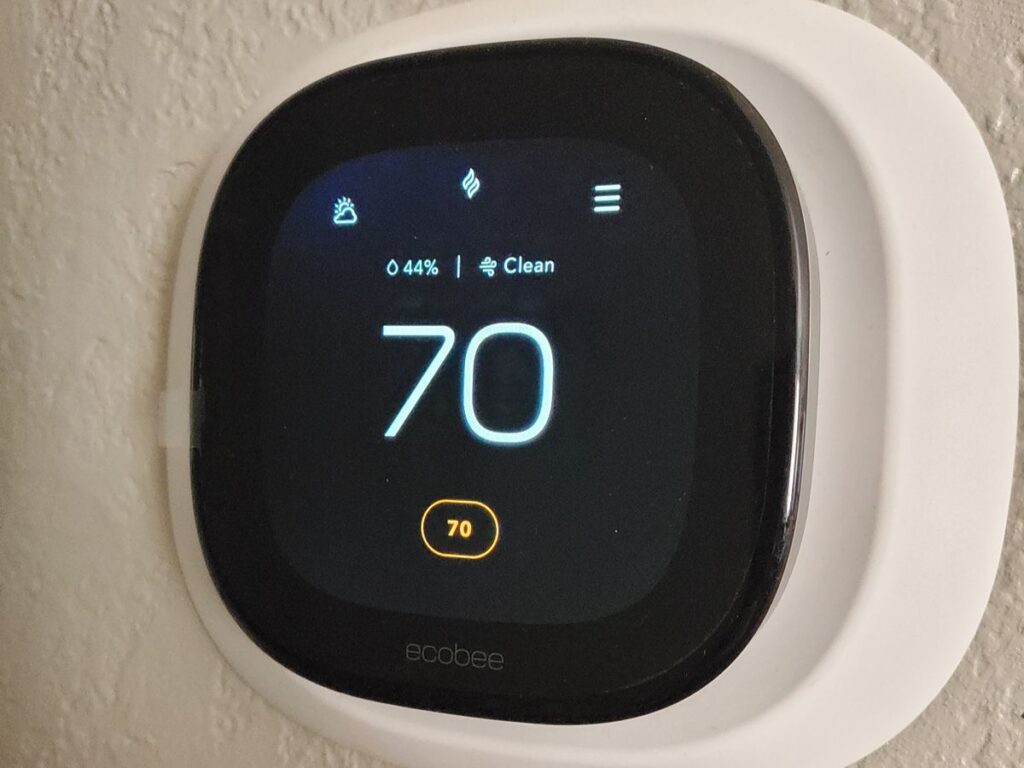
You can usually tell with a few visible checks, no tools and no opening panels. Start at the thermostat. On a dual-fuel setup, the thermostat’s menus or display may show a heat pump mode, an auxiliary or emergency heat setting, or a balance point or dual-fuel changeover temperature. That is a strong clue the system is designed to switch between two heat sources.
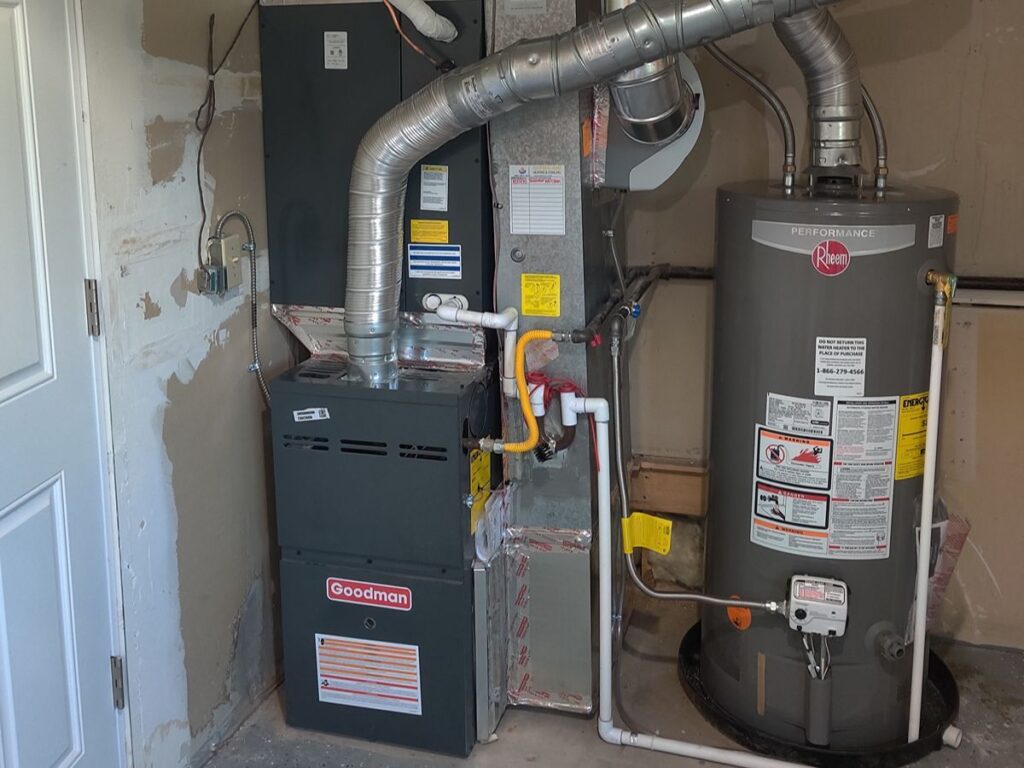
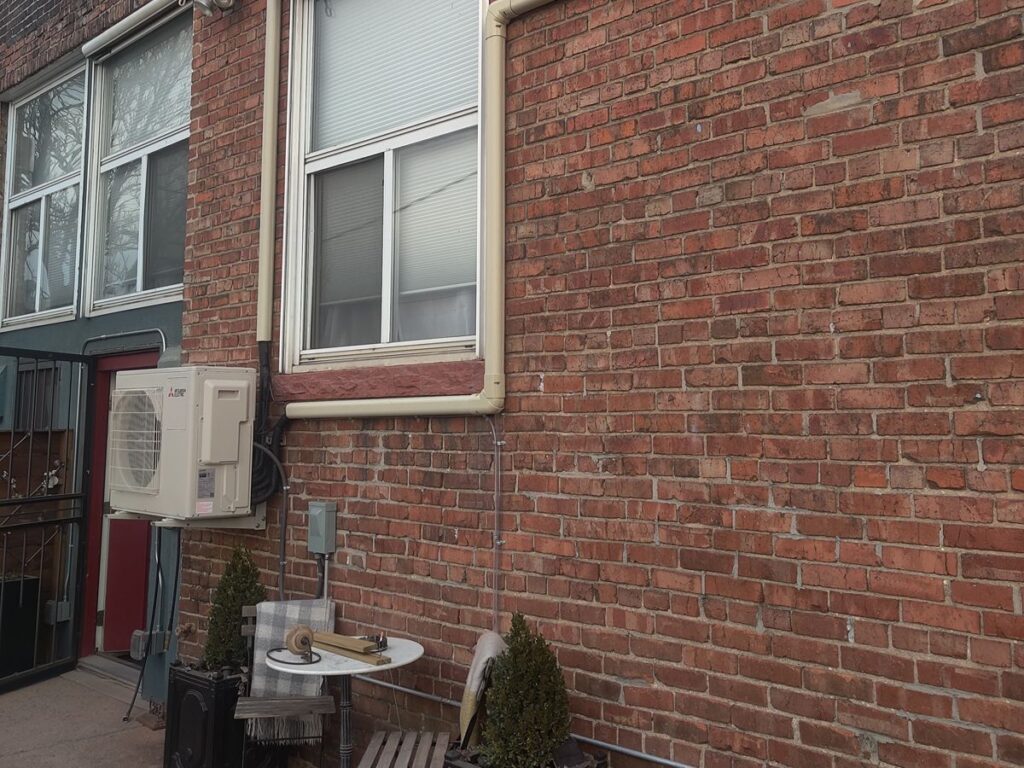
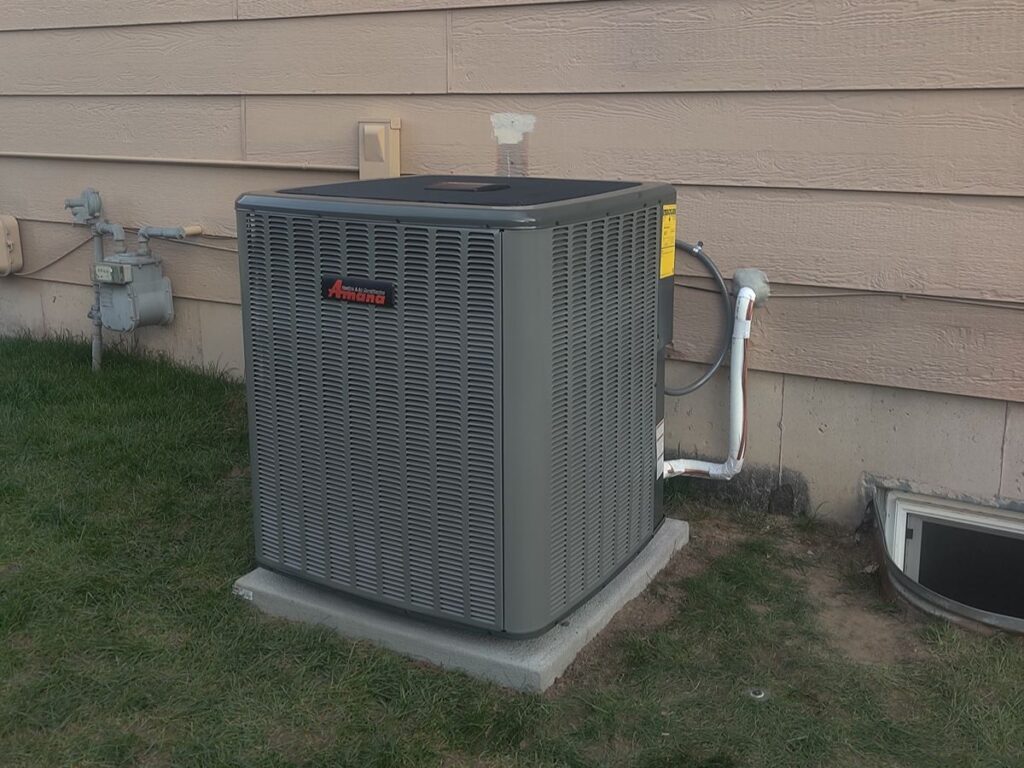
Next, look at what equipment you actually have. A dual-fuel home has both an outdoor unit that looks like an air conditioner and a gas furnace inside, often in the basement, a closet, or the garage. If you only have a gas furnace with a standard AC outside, that is not dual fuel, because a plain AC cannot produce heat. You can also read the labels and model stickers on the outdoor unit and the indoor cabinet. The outdoor nameplate may say whether the unit is a heat pump, and if it does not, the model number on it can be looked up on the manufacturer’s site.
At what temperature does a heat pump become useless?
There is no single temperature at which every heat pump quits, and that is an important thing to understand before you judge whether one fits your home. Modern cold-climate heat pumps are engineered to keep producing usable heat well below freezing, with many models holding strong capacity down into the single digits and continuing to heat below zero. Standard models lose more output as it gets colder, but they still keep heating below freezing.
In a dual-fuel system, the switchover point is a setting, not a failure point. Your installer chooses that temperature, sometimes called the balance point, for cost and comfort rather than because the heat pump stopped. Set it based on your CORE electricity rate, your Black Hills gas rate, and how your specific equipment performs, and the furnace simply steps in when it becomes the better choice. The heat pump keeps running, and the furnace is there to back it up on the coldest Castle Rock nights, including the handful that dip below zero in a typical winter.
Deciding between a straight furnace, a heat pump, or a dual-fuel hybrid in a climate that can swing from 40-degree afternoons to below-zero mornings is a lot to sort through on your own. At Alpha Air Heating & Cooling, we are a technician-owned, locally run company that installs, repairs, and maintains heat pumps and dual-fuel systems across Castle Rock and Douglas County. To talk through whether a hybrid setup makes sense for your house, reach out to us or call us at (720) 284-9566 for a free estimate.