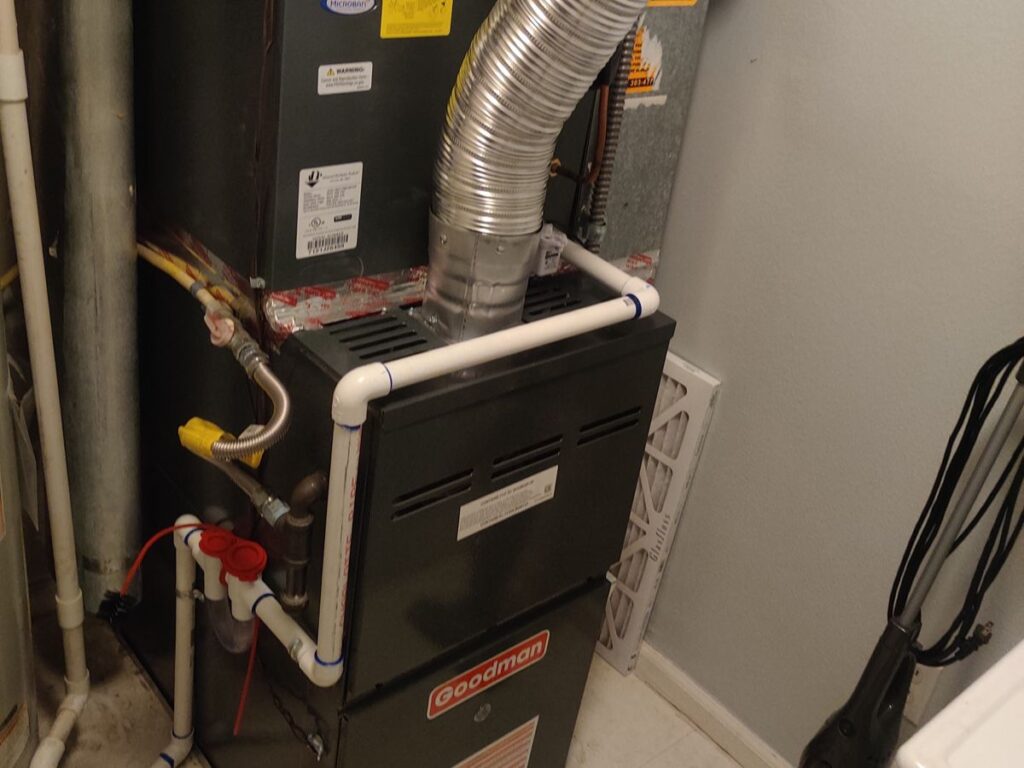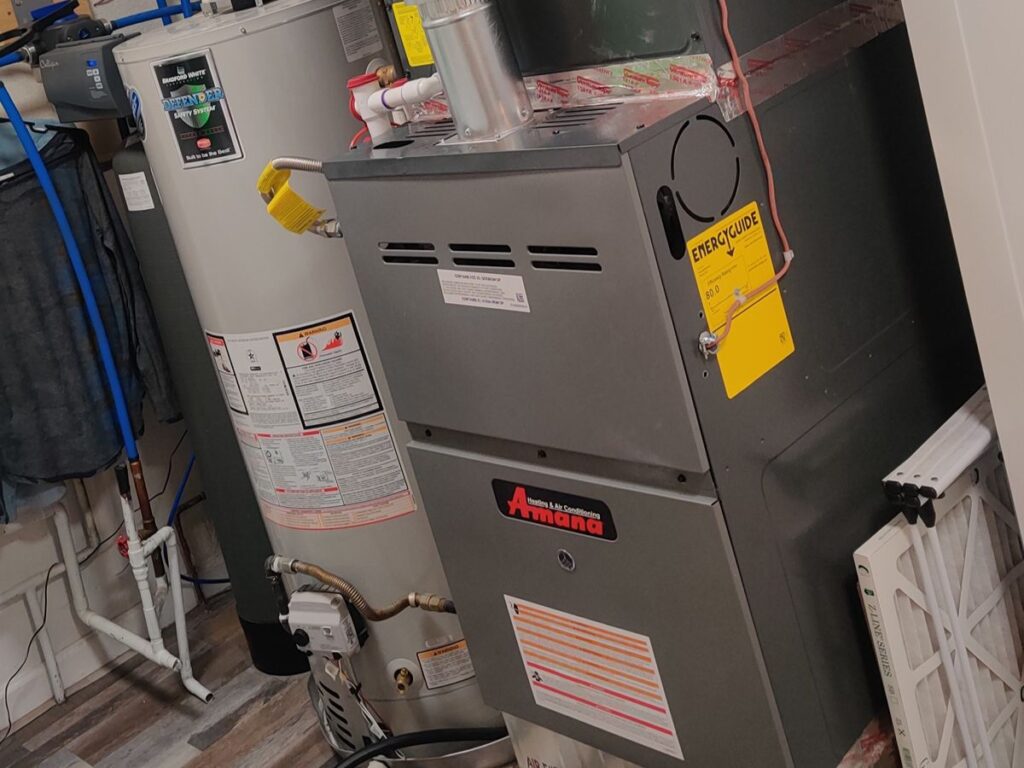
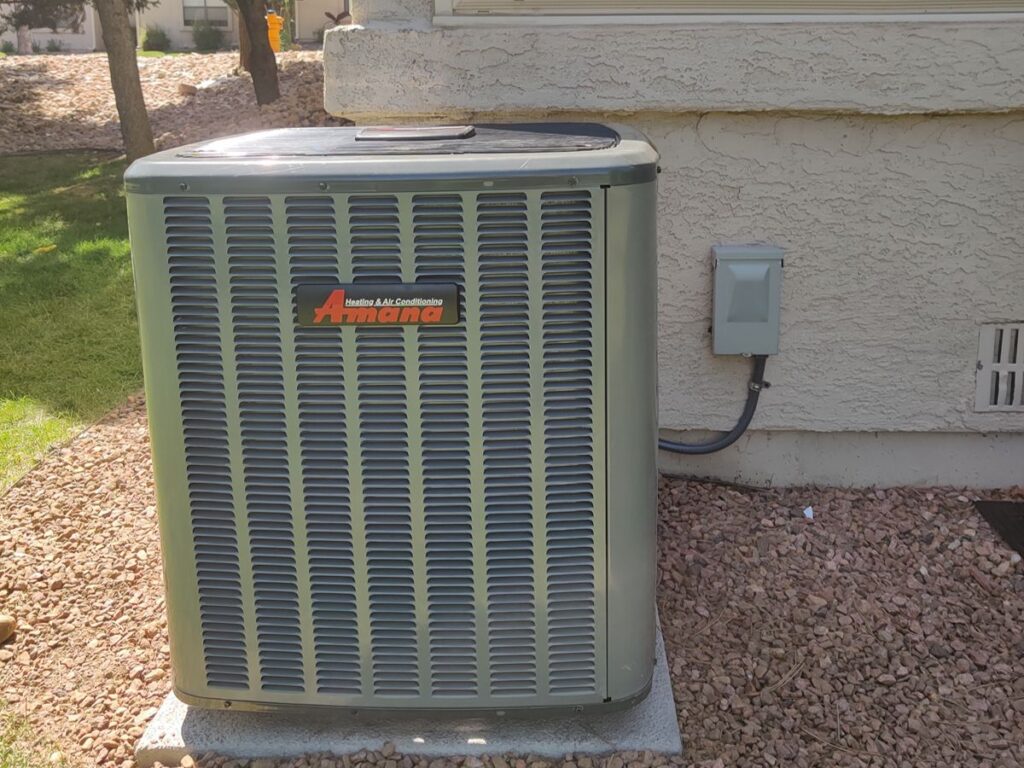
In Castle Rock, your HOA generally cannot flat-out ban a heat pump. Colorado law, C.R.S. 38-33.3-106.7, names a heat pump as a protected energy efficiency measure, and under that statute an association cannot effectively prohibit its installation or use. What your HOA can do is set reasonable rules about how it looks and where it goes.
That distinction matters more here than you might think. A lot of Castle Rock homes sit in covenant-controlled communities, and heat pumps have become a popular way to handle both heating and cooling in one system at this elevation.
Here is the fuller picture. The law protects your right to put in the equipment, but it also carves out real space for the HOA. Your association can adopt what the statute calls reasonable aesthetic provisions covering the size, placement, and outside appearance of the unit, and it can enforce genuine safety requirements that line up with building codes. So the fight is almost never about whether you can have a heat pump. It is about the details of how it gets installed and where the outdoor unit sits on your property.
Castle Rock sits around 6,200 feet in the East Plum Creek Valley, where winters run cold and snowy with plenty of nights that dip below freezing. That climate shapes both the equipment you need and the placement rules an HOA is likely to care about, since an outdoor unit has to clear snow buildup and stay accessible through the winter. Knowing how the law and your covenants fit together saves you the headache of a rejected application or a unit installed somewhere it should not be.
What can HOAs restrict when it comes to HVAC?
Your HOA can regulate the appearance and placement of outdoor HVAC equipment, but it cannot use those rules to block a heat pump entirely. Colorado law is specific here: an association cannot effectively prohibit an energy efficiency measure, and a heat pump is on the protected list. What stays on the table for the HOA are two things. First, reasonable aesthetic provisions that govern the dimensions, placement, and external look of the unit. Second, bona fide safety requirements that match an applicable building code or a recognized safety standard.
In practice, that means your covenants can ask you to screen the outdoor condenser, paint a screening fence a certain color, or keep the unit out of a front yard sightline. Many Castle Rock communities also set sound and setback expectations. If you are weighing a full heat pump system against a standard furnace-and-AC pairing, it helps to know these rules apply to any outdoor condenser, not just heat pumps. A rule is only enforceable if it is genuinely reasonable and does not amount to a backdoor ban.
Can my HOA control where the outdoor unit and line sets go?
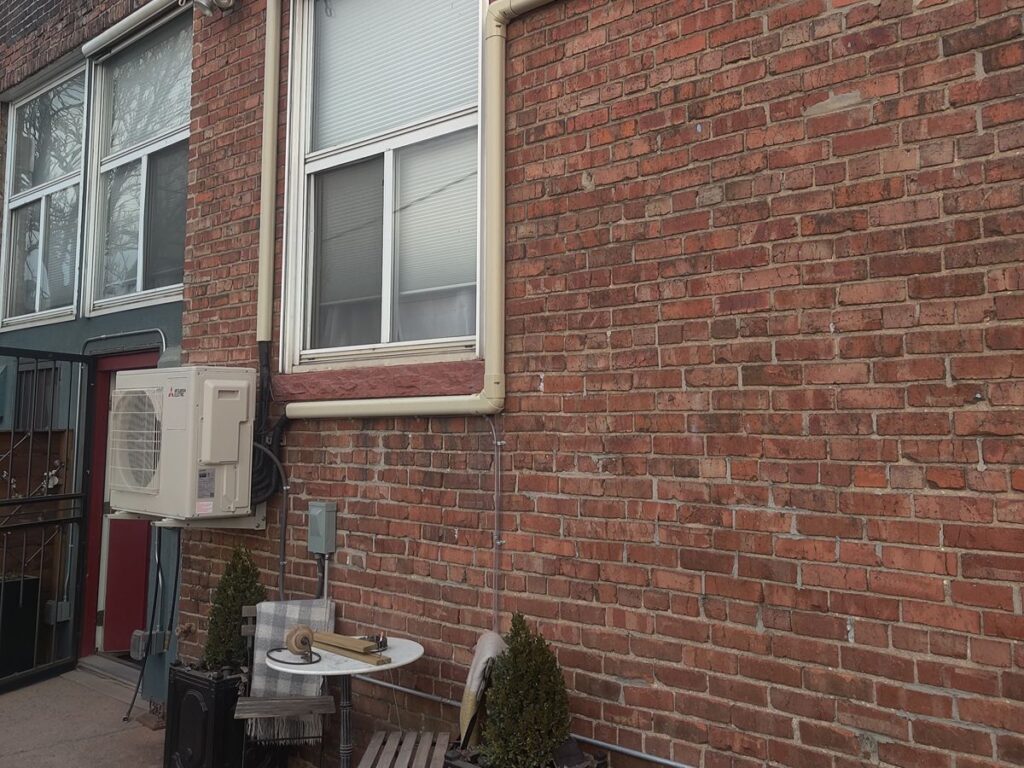
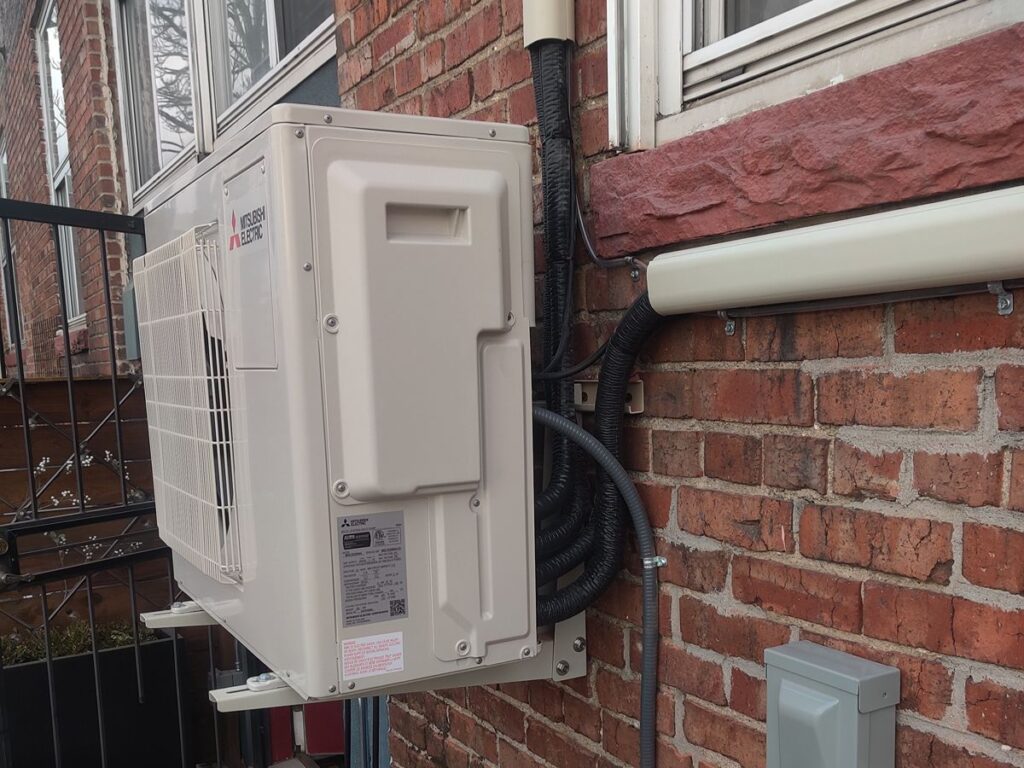
Yes, to a point. Placement is exactly the kind of thing the statute lets an HOA weigh in on through reasonable aesthetic provisions, so your association can have a real say in where the outdoor condenser and the line sets running to it end up. Common asks include keeping the unit on a side or rear wall, screening it from the street, or routing refrigerant lines so they are not visible along a front elevation.
Where the law pushes back is when placement rules quietly make the system unworkable. When an HOA sets aesthetic provisions, it is supposed to consider the impact on the equipment’s performance and cost, not just how it looks. A heat pump needs solid airflow around the outdoor unit and clearance above expected snow depth, which matters through a Castle Rock winter when accumulation can bury a low-set condenser. If a proposed spot chokes airflow or sits in a snow drift zone, that is a performance problem worth raising with the board. A good install plan lines up the placement the HOA wants with the clearances the equipment actually needs, and we work that out before anything gets submitted.
How do I get HOA approval for a heat pump in Castle Rock?
Start by pulling your community’s governing documents and finding the architectural review process before you do anything else. Most Castle Rock HOAs route exterior changes through an architectural review committee, and heat pump approvals run through that same channel. Read what the covenants say about mechanical equipment, screening, setbacks, and sound so you know the rules going in.
Then put together a clear application. It usually helps to include:
- A site plan or photos showing where the outdoor unit will sit
- The equipment make, model, and dimensions
- Any screening or fencing you plan to add
- The sound rating of the outdoor unit, if the covenants care about noise
Give the committee enough detail that they are not left guessing, since a vague submission is the fastest way to a delay. Our team can supply the model specs, clearances, and a placement plan that anticipates the aesthetic questions a board tends to ask. If you can show the unit is screened, quiet enough, and sited where it performs, you remove most of the reasons a committee would push back. This is general guidance, not legal advice, so if your covenants are unusually strict, checking with the HOA or an attorney is worth the time.
What can I do if my HOA denies my heat pump?
If your HOA denies the installation, the first step is to ask for the reason in writing. A denial has to rest on a reasonable aesthetic provision or a real safety requirement, not simply a blanket refusal, because the law does not let an association effectively prohibit a heat pump. Once you have the stated reason on paper, you can see whether it is something you can solve.
Often you can. If the objection is placement, offer a different spot that still works for the equipment. If it is appearance, propose screening or a fence that matches the community’s standards. If it is noise, a quieter outdoor unit or a different location may answer the concern. Many denials come down to details that a revised plan can address, and boards frequently approve a second submission once those boxes are checked. If the HOA keeps saying no without a valid basis tied to aesthetics or safety, that is the point to consult an attorney about your rights under Colorado law. None of this is legal advice, and every set of covenants reads a little differently, so professional guidance matters when a denial does not add up.
Working through an HOA process on top of a Castle Rock winter is a lot to juggle when you just want reliable heating and cooling. Our heat pump services in Castle Rock cover installation, replacement, and repair across Douglas County, and we can help you plan a system and a placement that satisfies your covenants from the start. If you are considering a heat pump, reach out to Alpha Air Heating & Cooling at (720) 284-9566 for a free estimate and we will walk the site with you.