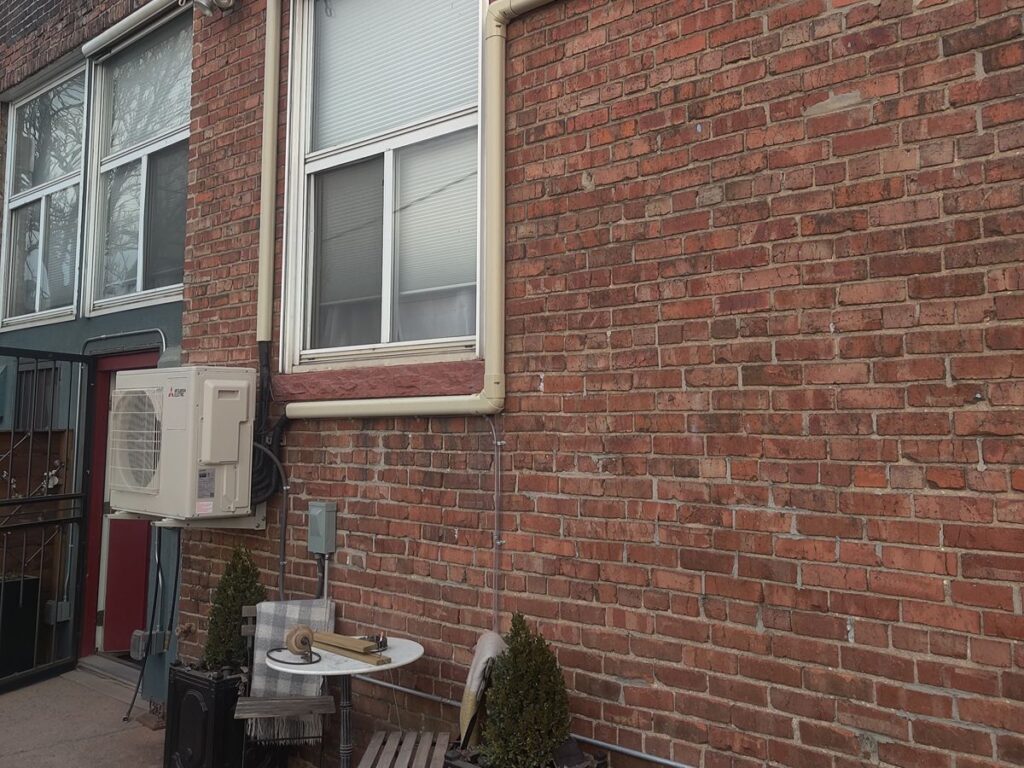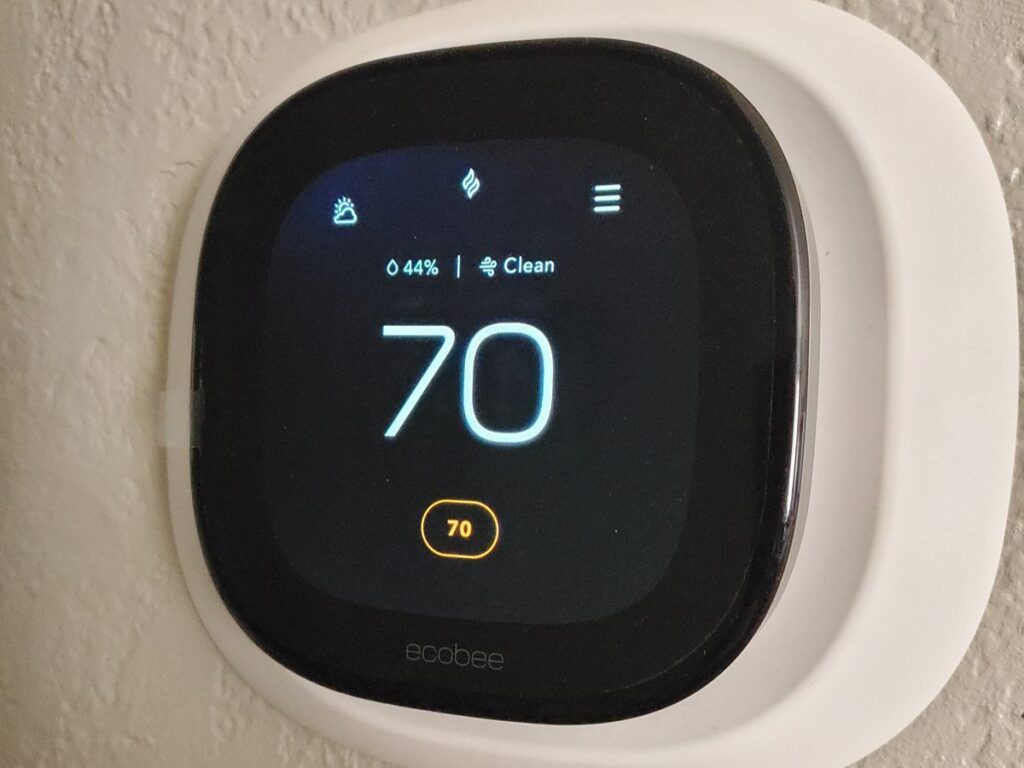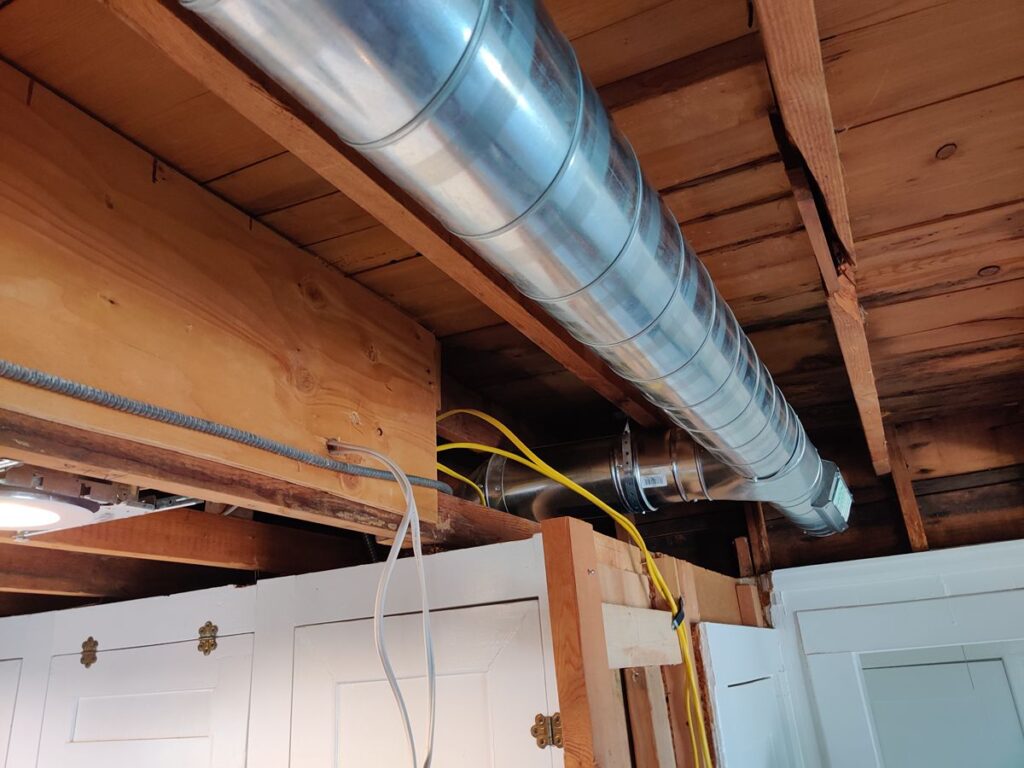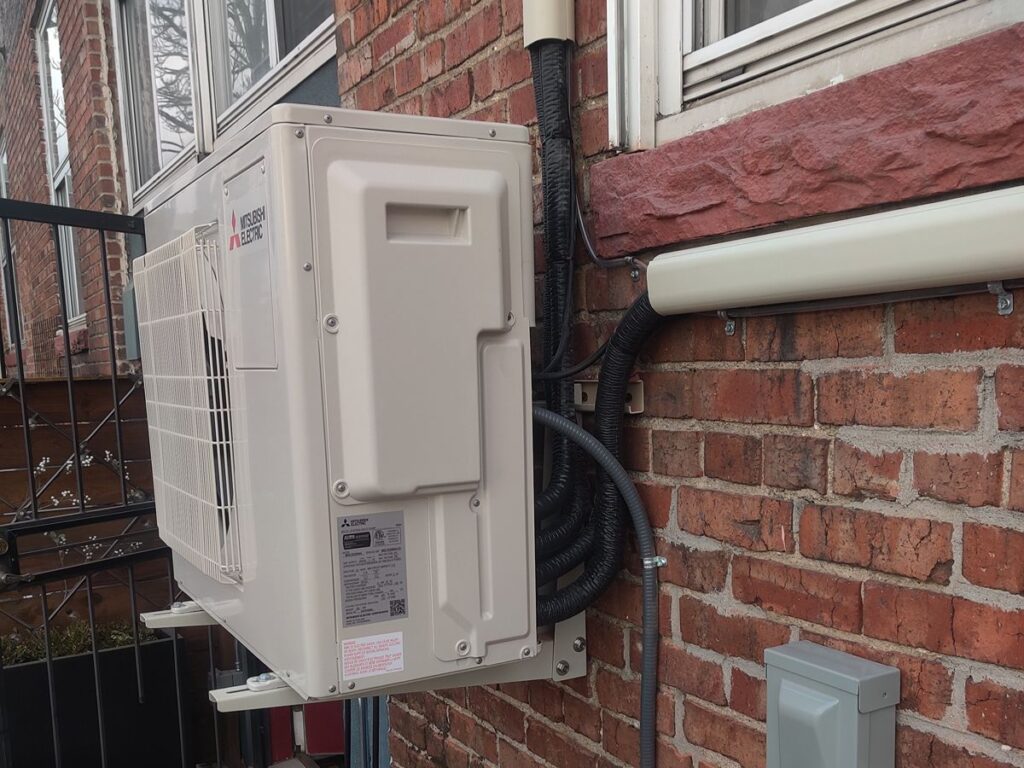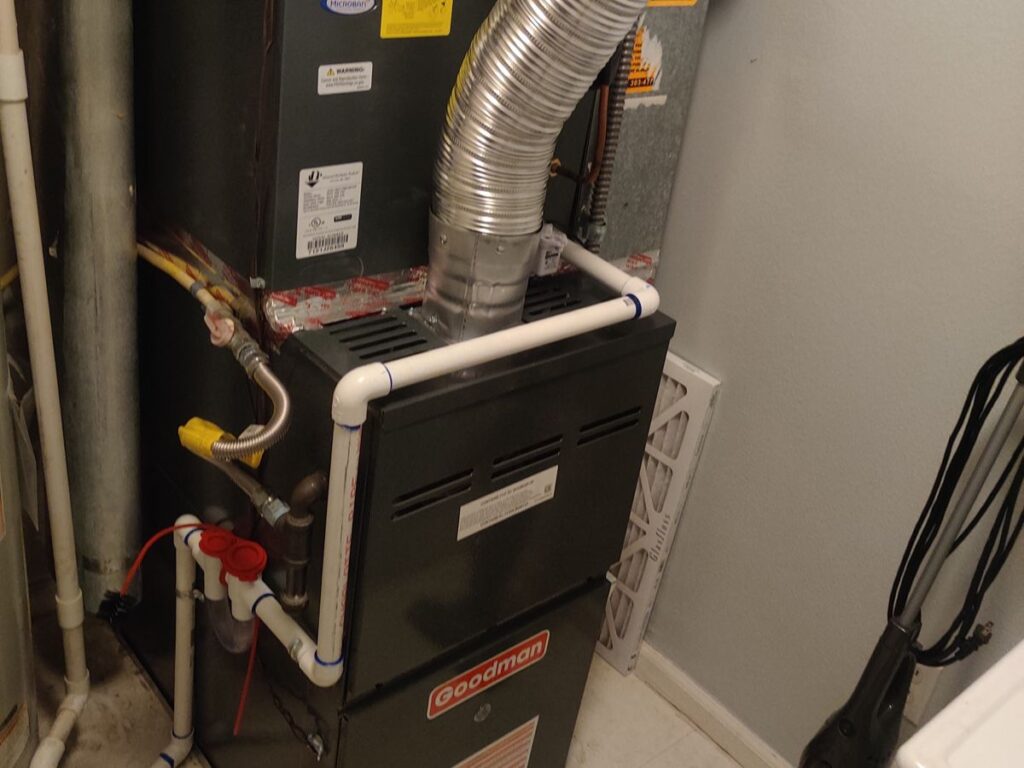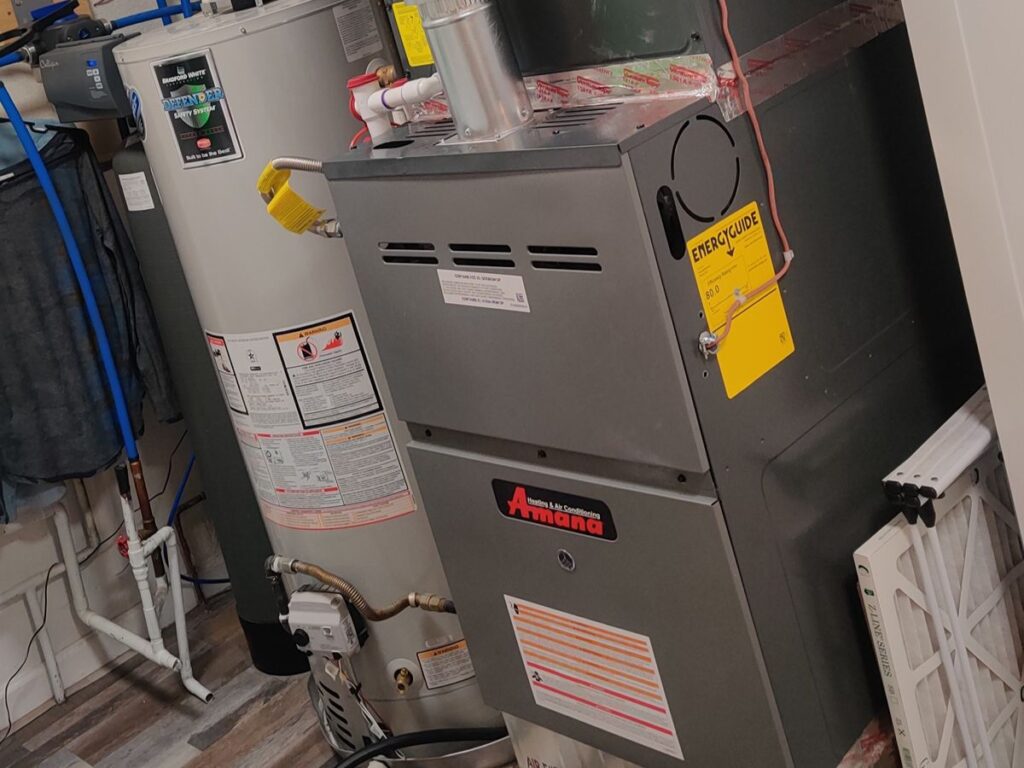
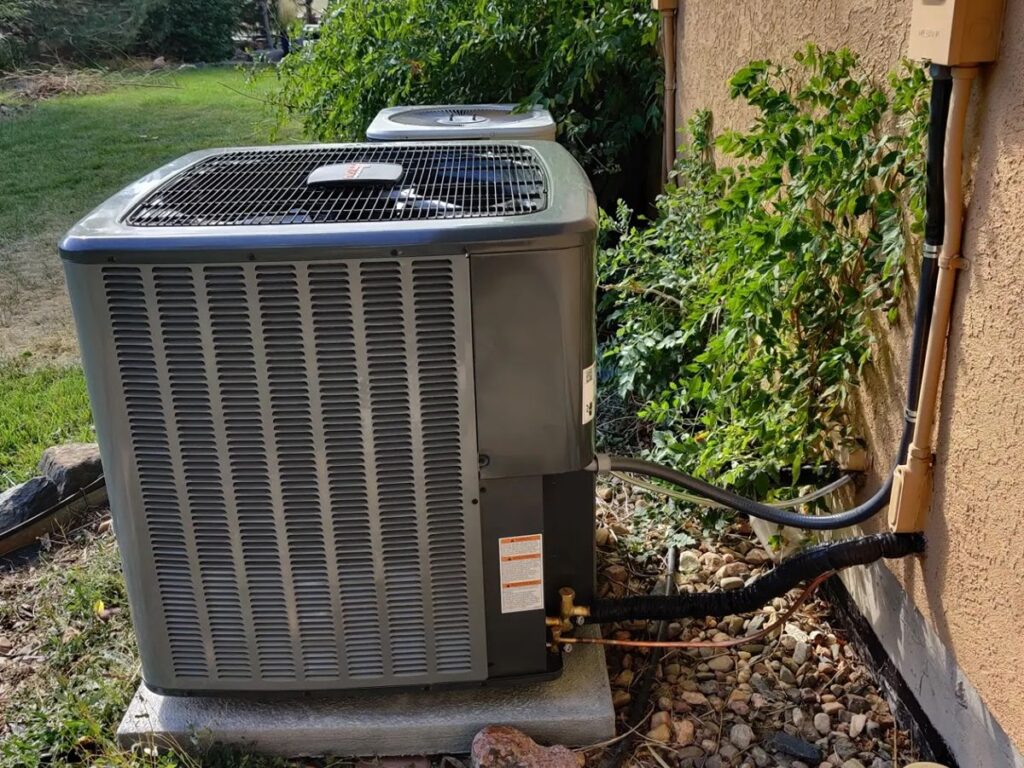
For a lot of Castle Rock homes, a cold-climate heat pump can heat and cool the whole house on its own and cost less to run than a gas furnace paired with a separate AC. Whether it is the better choice for your home comes down to your insulation, your ductwork, and how your electric and gas rates stack up, since Castle Rock is served by CORE Electric Cooperative for power and Black Hills Energy for natural gas rather than Xcel.
Winters here are the real test, and they are colder than most people outside Colorado expect. Sitting up on the Palmer Divide, Castle Rock sees single-digit nights and the occasional sub-zero snap, so the question every homeowner asks is whether one machine can really cover both jobs when it drops below freezing.
The honest answer is that it depends on the equipment and the design. A heat pump works like an air conditioner that can run in reverse, moving heat into your home in winter and pulling it out in summer. One outdoor unit and one indoor coil replace two separate systems, which is why a heat pump can simplify your setup and lower your monthly energy use. The catch is that not every heat pump is built for our winters, and a unit that is undersized or wrong for the home will struggle on the coldest days. That is where the choice between a straight heat pump, a heat pump with an electric backup, and a dual-fuel setup that keeps a gas furnace for the deep cold really matters.
Elevation shapes the decision here too. Castle Rock sits at roughly 6,200 feet in elevation, putting it a little over 6,000 feet above sea level, and thinner air reduces how much heat any air-source unit can pull from outside, so sizing has to account for altitude, not just square footage. Cold-climate heat pump systems are engineered for this, holding much of their rated output far below freezing, but they still have to be matched to the home. A proper load calculation is the difference between a system that carries you through a January cold snap and one that leaves you cold.
What is the major disadvantage of a heat pump?
The biggest drawback is that a heat pump loses heating capacity as the temperature outside drops, and Castle Rock gets cold enough to matter. Air-source heat pumps pull heat from outdoor air, so on a single-digit night there is simply less heat to move, and efficiency falls the colder it gets. Standard models can fade or shut off in that range, which is why the equipment choice is everything up here.
Cold-climate units solve most of this. They use variable-speed inverter compressors that keep running hard in genuinely cold weather, and many hold a strong share of their rated heating output down into the negatives. In Colorado, the 5 degree Fahrenheit figure is not a test a unit has to pass to get any rebate; it is the certification threshold Xcel Energy uses to define its higher cold climate tier, where a unit has to hold at least 70 percent of its 47 degree capacity and keep a COP of at least 1.75 at 5 degrees while being listed on the NEEP database, though standard heat pumps still earn a smaller rebate. For a larger or leakier home, we often add an electric resistance heat strip or keep the existing gas furnace as a dual-fuel backup, so heat is always there on the worst nights. The other honest downside is upfront cost, since a heat pump usually runs more than a like-for-like furnace and AC before rebates.
How many years does a heat pump usually last?
Most heat pumps last around 12 to 15 years in our area, a bit shorter than a gas furnace, mainly because the same equipment runs year-round for both heating and cooling. A furnace only fires up in the colder months, while a heat pump works through summer cooling and winter heating, so it simply logs more hours.
Castle Rock’s climate pushes on that lifespan from both directions. The heating season is long and demanding, and the dry, dusty high-altitude air loads up filters and coils faster than people expect, which makes upkeep the single biggest factor in how long your system lasts. Changing filters on schedule, keeping the outdoor unit clear of snow and debris, and getting an annual tune-up all help a heat pump reach the top of that range instead of the bottom. Since it handles two seasons, we recommend service twice a year, once before cooling season and once before heating season. One of our Castle Rock customers, Richard K., left a Google review after a full system replacement, describing how “We had a furnace replaced and would – and have – recommend him and his company to anyone needing HVAC work done”, which is the kind of careful install work that helps a system go the distance.
What are the incentives for installing a heat pump in Colorado?
Two incentives reliably apply to Castle Rock homeowners in 2026, and neither depends on being an Xcel customer. Because Castle Rock’s electric utility is CORE Electric Cooperative and its gas utility is Black Hills Energy, the large Xcel heat pump rebates you see quoted around Denver do not apply here, so it is worth knowing which programs you can actually use.
The first is the Colorado state heat pump tax credit under HB23-1272. For 2026 it is $1,000 for an air-source heat pump that covers at least 80% of your home’s annual heating load, with no income limit. A state-registered contractor claims it and passes at least a third of it to you as a discount on your invoice; we are registered to do exactly that. The second is Power Ahead Colorado, a regional rebate from the Denver Regional Council of Governments that opened June 29, 2026. It pays a flat $1,500 for an ENERGY STAR certified cold-climate heat pump with no income limit, and eligibility goes by location rather than which utility you use, so Douglas County homes qualify. It covers existing homes rather than new construction, the unit has to be cold-climate certified, and the work has to be done by a contractor verified through the program. Both can be combined. One important note on the federal side: the 25C federal tax credit that offered up to $2,000 ended on December 31, 2025, so heat pumps installed in 2026 no longer qualify for it. Program amounts and deadlines change, so we confirm current terms before you sign anything.
Are heat pumps a good idea in Colorado?
Yes, for most Castle Rock homes a properly sized cold-climate heat pump is a strong choice, and the state has been steadily steering incentives toward them. The core reason is efficiency: a heat pump moves heat instead of burning fuel to create it, so at mild temperatures it can deliver several units of heat for every unit of electricity, which cuts operating cost compared with combustion heating.
The results hold up in real Colorado cold, too. Homeowners across the Front Range have reported cold-climate units keeping houses comfortable during sub-zero stretches without gas backup, as long as the equipment is rated for it and sized correctly for the home. That last part is where our elevation comes back in. Above 6,000 feet the air is thinner, so a unit that would be fine at sea level needs to be sized up here, and skipping that step is how homes end up underheated. When the home is well matched to the equipment, a heat pump handles both Castle Rock’s long heating season and its 90-degree summer afternoons from a single system. For homes with high heat loss or owners who want a safety margin, a dual-fuel pairing with the existing furnace is a sensible middle path.
If you are weighing a heat pump against replacing a furnace and AC here in Castle Rock, the right answer really does depend on your specific home, your ductwork, and how the numbers pencil out with the rebates you actually qualify for. As a technician-owned, NATE-certified local company, we size every system with a load calculation that accounts for our elevation and walk you through heat pump, dual-fuel, and traditional options honestly. For heat pump services in Castle Rock, from installation to repair and replacement, reach out to Alpha Air Heating & Cooling for a free estimate at (720) 284-9566, and we will help you figure out what fits.